

|
The Cremyll Ferry |
||||||||
|
Crossing the Tamar Since 1204 ! |
||||||||
|
|
||||||||
|
|
||||||||
|
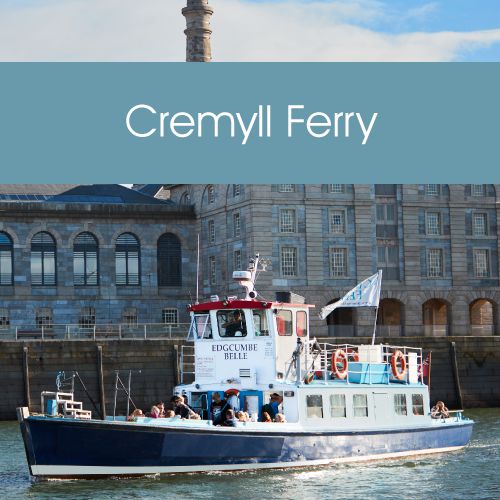
Admirals Hard, (Plymouth Devon) to Mount Edgcumbe (Cremyll Cornwall) |
||||||||
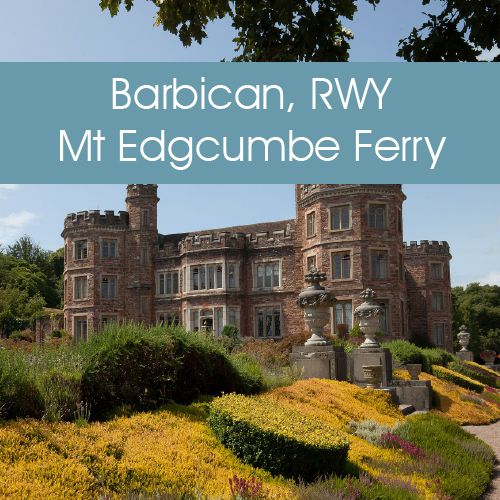
| Plymouth Shore to Cremyll and the beautiful Edgcumbe Estate on the Cornish Shore. | ||||||||
|
|
||||||||
|
Some History: |
||||||||
|
|
||||||||
|
|
||||||||
| The River Tamar provides an excellent route for traveling inland from the sea, but a | ||||||||
| formidable obstacle of travel between Cornwall and Devon. The Cremyll Ferry | ||||||||
| probably originated in Saxon times. It is first documented in 1204 when it was owned | ||||||||
| by the Valletort Family. The rights to the rent from the ferry passed in two halves to | ||||||||
| Sir Piers Edgcumbe in 1493 and 1511. This right was purchased in1992 by the Mount | ||||||||
| Edgcumbe Joint Committee. | ||||||||
| The ferry originally crossed from a slip by Devil’s Point on the Devon side over tidal | ||||||||
| waters which can run at eight knots, to a landing place on the Cremyll shore. The | ||||||||
| Passage House and gardens, which stood roughly where the Orangery is now, together | ||||||||
| with Schillhall cottage (not Tudor Cottages) were regularly leased with the ferry until | ||||||||
| .the creation of the Italian Garden in the eighteenth century. The landing place was | ||||||||
| then moved northwards and a new Passage house built in 1970.The road from Cremyll | ||||||||
| runs uphill and passes the tiny fourteenth century chapel and holy well dedicated to | ||||||||
| Saint Julian, the patron saint of travellers. | ||||||||
|
|
||||||||
|
Enjoy a day out in Cornwall's forgotten corner |
||||||||
|
|
||||||||
|
|
||||||||
|
|
||||||||
| The ferry is well served by public transport from both Plymouth and Rame, with in | ||||||||
| minuets of getting on the ferry from Plymouth you could in fact be sat on the beach | ||||||||
| with in the Mount Edgcumbe Estate, exploring the villages of Kingsand and | ||||||||
| Cawsand, Surfing at Whitsand Bay, or taking a walk along the coastal path. | ||||||||
|
||||||||
|
|
||||||||
|
|